
Why Is My Car Using More Gas Than Normal?
- Tyler Ellis
- Apr 15
- 5 min read

When you start noticing that the fuel gauge is dropping faster than it used to, it gets frustrating in a hurry. You may not have changed your route, your commute, or your driving habits much, yet somehow you are filling up more often & spending more money at the pump. That usually means your vehicle is trying to tell you something.
If you have been asking, Why Is My Car Using More Gas Than Normal?, the answer can range from a simple maintenance issue to a more serious engine, tire, brake, or sensor-related problem. Fuel economy does not usually get worse for no reason. When a vehicle starts burning more fuel than normal, there is often an underlying cause affecting how efficiently it runs.
That is why this symptom is worth paying attention to. A drop in gas mileage may not feel as urgent as a breakdown or warning light, but it can be one of the earliest signs that your engine is not operating as cleanly or efficiently as it should. At Marble Falls Auto Center, this is exactly the sort of drivability & maintenance-related issue that should be looked at before it turns into a bigger repair. You can learn more about available services here: https://www.marblefallsautocenter.com/all-services
Why Is My Car Using More Gas Than Normal? Common Causes To Know
One common cause is dirty or worn spark plugs. Spark plugs help ignite the air-fuel mixture in each cylinder. If they are worn out or not firing efficiently, the engine may burn fuel less effectively, which can lead to poor fuel economy.
Another big possibility is a dirty air filter or airflow-related problem. Your engine needs the right amount of clean air to mix with fuel properly. If airflow is restricted, or if a sensor like the mass airflow sensor is giving inaccurate information, the engine may compensate poorly & use more fuel than necessary.
You can also lose fuel economy because of low tire pressure. Underinflated tires create more rolling resistance, which means the engine has to work harder just to keep the vehicle moving. It seems simple, but tire pressure is one of the easiest overlooked causes of reduced gas mileage.
A sticking brake caliper or brake drag can do the same thing. If one wheel is dragging instead of rolling freely, the engine has to push against that resistance all the time. That can hurt fuel economy & wear out brake parts faster at the same time.
Fuel mileage can also drop because of a bad oxygen sensor or other sensor-related issue. Modern vehicles constantly adjust fuel mixture based on sensor input. If one of those readings is off, the engine may run richer than it should, which means more fuel is being used than necessary.
Then there is the possibility of engine performance problems, such as a vacuum leak, dirty throttle body, weak ignition coil, or fuel injector issue. These problems can make the engine work harder or run less efficiently even if the vehicle still seems mostly drivable.
And of course, if your check engine light is on, that is a major clue. Reduced fuel economy often goes hand in hand with engine management issues that the computer may already be tracking.
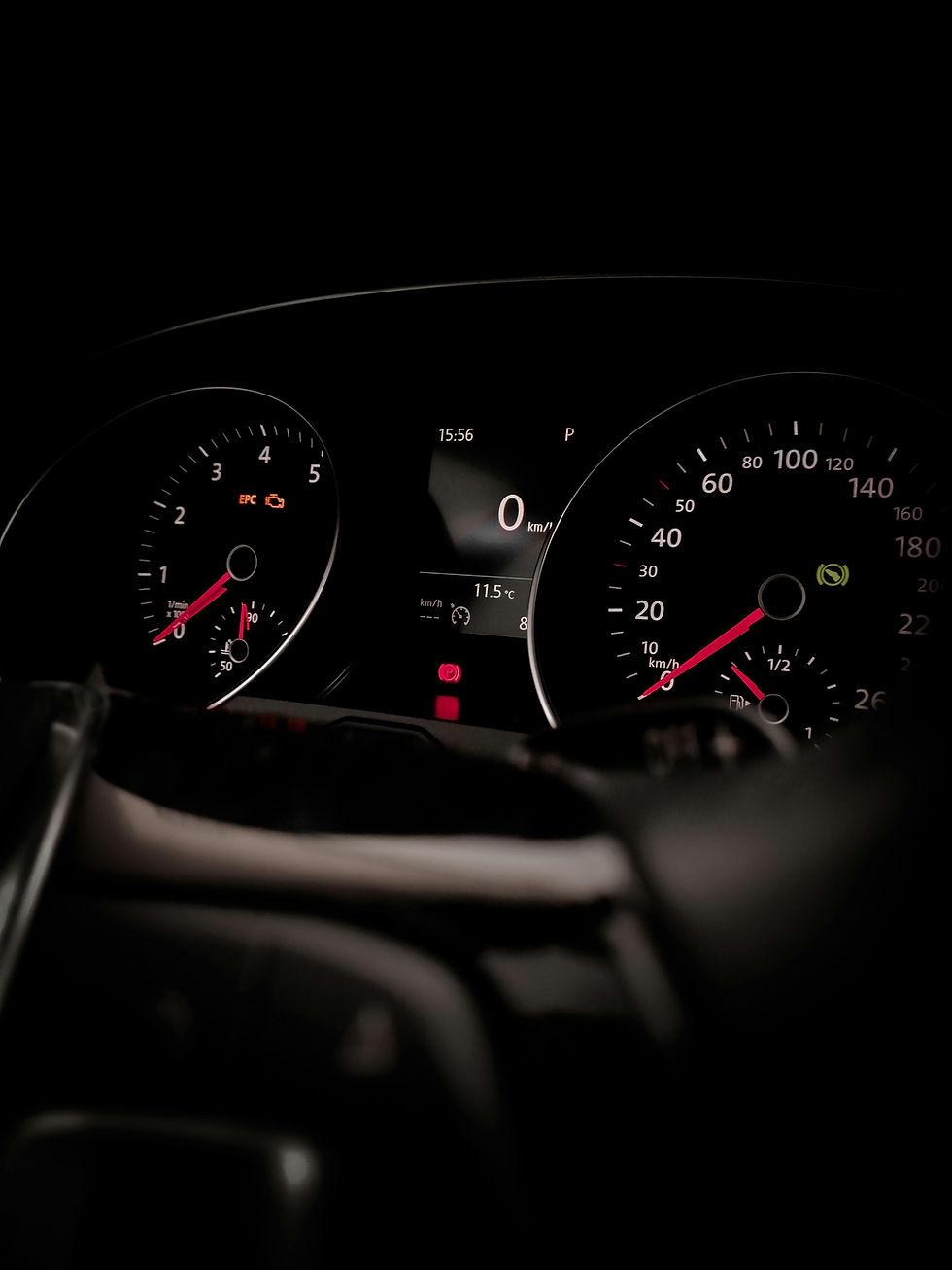
What Causes Fuel Mileage To Drop?
The pattern of the change can help narrow down what is happening.
If the gas mileage dropped gradually over time, routine wear items like spark plugs, air filters, tire pressure, or general maintenance may be part of the issue.
If it dropped suddenly, then a sensor problem, dragging brake, engine performance fault, or other developing issue may be more likely.
If the vehicle feels normal overall but you are just spending more on fuel, the issue may be something subtle like tire pressure, alignment, or early sensor drift.
If the car also feels sluggish, rough at idle, hesitant, or weaker under load, then fuel economy loss may be tied directly to a drivability problem.
If you notice the vehicle smells rich, idles rough, or has a check engine light, the engine may be running with too much fuel or poor combustion efficiency.
And if the steering feels off, the tires are wearing unevenly, or the vehicle pulls slightly, alignment can also play a role. Poor alignment forces the vehicle to work harder rolling down the road, & that extra effort can absolutely affect fuel economy over time.
That is why the question Why Is My Car Using More Gas Than Normal? cannot be answered by assumption alone. One vehicle may only need maintenance. Another may have a brake issue. Another may have a sensor fault that is quietly wasting fuel every day.
How To Fix It
The right fix depends on identifying whether the problem is maintenance-related, resistance-related, or caused by an engine control issue. A proper approach usually includes the following:
Check tire pressure & tire condition
Low pressure or uneven wear can increase rolling resistance & hurt fuel mileage more than many drivers realize.
Inspect the air filter & basic maintenance items
A restricted air filter, overdue spark plugs, or neglected service items can reduce engine efficiency.
Scan for trouble codes
Even if the check engine light is not on, the vehicle may have stored or pending codes that point toward a fuel-control or sensor issue.
Review live scan data
Fuel trims, oxygen sensor readings, airflow data, & other information can reveal whether the engine is compensating for a problem.
Inspect for brake drag or mechanical resistance
A sticking caliper or other rolling-resistance issue can absolutely waste fuel.
Check alignment & suspension wear if needed
If the vehicle is fighting itself on the road, your fuel economy usually pays the price.
Inspect ignition & fuel delivery performance
Spark plugs, coils, injectors, & related systems may need attention if the engine is not burning fuel efficiently.
Confirm the repair by verifying improved operation
A proper fix should improve how the vehicle runs, not just clear a symptom temporarily.
If your vehicle is burning more fuel than it used to, a proper inspection can help stop the guesswork before you spend more money unnecessarily. You can schedule service here: https://www.marblefallsautocenter.com/appointments
Why You Should Act Now
Bad fuel economy has a way of sneaking up on people because the car may still seem usable. It still starts, still drives, still gets you where you need to go. It just quietly becomes more expensive & less efficient day after day.
The issue is that poor fuel mileage is often the side effect of a real mechanical or engine management problem. A worn ignition component can become a more obvious misfire. A bad oxygen sensor can affect emissions & drivability. A dragging brake can damage pads & rotors. A maintenance issue can gradually turn into a much bigger performance complaint if it is left alone.
There is also the simple cost side. If your vehicle is using noticeably more fuel, that money adds up quickly. Catching the cause early can help you save at the pump while also protecting the engine, brakes, tires, & other parts from unnecessary wear.
In other words, when fuel economy drops, the car is not just being thirstier for fun. It is usually asking for attention in a less dramatic, but no less expensive, way.
Get The Fuel Economy Problem Checked Before It Costs You More
If you are still wondering, Why Is My Car Using More Gas Than Normal?, the best next step is to have the vehicle inspected before the issue turns into a bigger drivability or repair problem. Whether the cause is low tire pressure, overdue maintenance, brake drag, alignment trouble, sensor faults, or engine performance issues, the goal is the same: find the real cause & fix it correctly.
Marble Falls Auto Center can inspect the issue, explain what is hurting your fuel economy, & recommend the right repair or maintenance for your vehicle. To schedule service or contact the shop, visit https://www.marblefallsautocenter.com/appointments or start from the main website here: https://www.marblefallsautocenter.com/


Comments